Making Small Enhancements
Tattoos have existed for thousands of years, but their cultural status has shifted dramatically over time. The oldest known tattooed human remains belong to Ötzi the Iceman, a Copper Age mummy discovered in the Alps, whose body bore over 60 simple markings believed to serve a therapeutic purpose. From ancient Egypt to Japan, tattoos once signified spiritual devotion, social rank, and rites of passage. It wasn't until the 18th century, when European sailors returned from Polynesia with inked skin, that tattooing entered Western consciousness — and even then, it carried a distinctly rough-edged reputation.
From subculture to mainstream
For much of the 20th century, tattoos in Western societies were closely associated with sailors, soldiers, and subcultures that existed on the fringes of mainstream society. Biker gangs, punk musicians, and rock stars wore their tattoos as symbols of rebellion. The wider public viewed body ink with scepticism, even suspicion. That began to change in the 1990s, when celebrities and athletes started embracing tattoos openly, gradually reshaping public perception. By the 2000s, tattoo studios were appearing on every high street, and what was once countercultural had become decidedly fashionable.
The science and artistry behind tattoo ink
Modern tattoo inks are far more sophisticated than the primitive pigments used by early practitioners. Today's formulations typically contain carrier solutions combined with colourants derived from a range of compounds. Some pigments — particularly those used for whites and light shades — incorporate minerals such as silica, a naturally occurring compound also found in silica sand and other dried aggregates. The quality and composition of the ink play a significant role in how vibrantly a tattoo heals and how well it holds its colour over time. As tattoo artistry has advanced, so too has the science supporting it, with tattoo artists increasingly collaborating with cosmetic chemists to refine their palettes.
Tattoos as a form of cosmetic enhancement
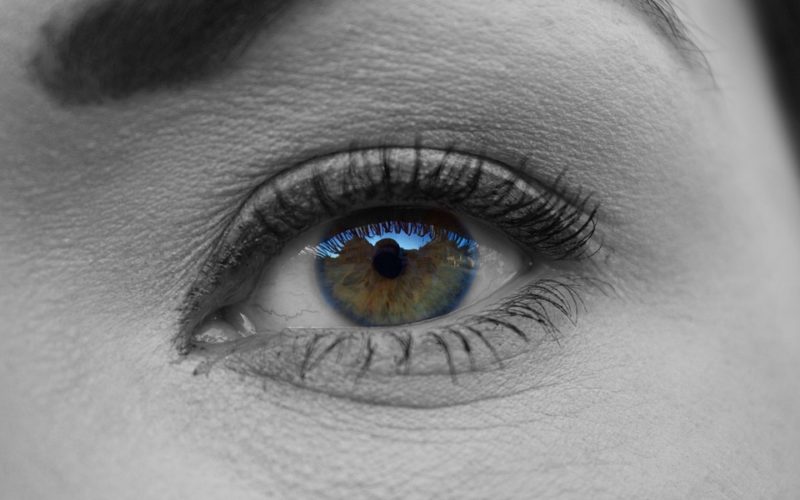
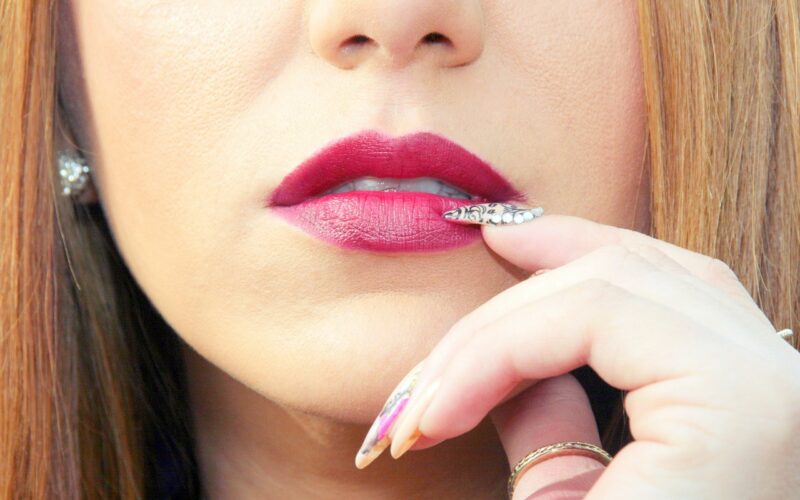
The line between tattoos and conventional beauty treatments has grown increasingly blurred. Cosmetic tattooing — which includes procedures like microblading for eyebrows, lip blushing, and permanent eyeliner — has surged in popularity over the past decade. These treatments use the same fundamental technique as traditional tattooing, depositing pigment beneath the skin to create lasting effects. For many people, cosmetic tattoos offer a practical solution to time-consuming beauty routines, providing defined features that remain intact through exercise, swimming, and daily wear. The appeal is less about self-expression and more about precision and convenience.
Tattoos and body confidence
Beyond aesthetics, tattoos carry a deeply personal dimension for many of those who wear them. Survivors of mastectomies, for instance, have increasingly turned to tattoo artists to reconstruct the appearance of the areola or to transform surgical scars into elaborate works of art. Others use tattoos to reclaim their bodies after illness, trauma, or significant life change. Research into body image suggests that, for many individuals, tattoos can enhance feelings of ownership over one's body and contribute meaningfully to self-confidence. The beauty of a tattoo, in this sense, is as much psychological as it is visual.
The future of tattoo culture
Tattooing continues to evolve at pace, with new styles, technologies, and applications emerging regularly. UV-reactive inks, fine-line techniques, and watercolour-inspired designs have expanded the creative possibilities available to both artists and clients. Meanwhile, the medical and cosmetic industries are exploring tattoo-adjacent technologies, including smart tattoos capable of monitoring health metrics in real time. What began as a mark of ritual or rebellion has grown into one of the most versatile and enduring forms of human expression. As beauty standards continue to broaden, tattoos are firmly — and permanently — part of the conversation.